Understanding AI Agents: Your Friendly Guide to Artificial Intelligence
Have you ever wondered, what is an AI agent? In today’s rapidly evolving tech landscape, AI agents play a crucial role in how we interact with technology. They are not just fancy algorithms; these agents can learn, adapt, and even make decisions on their own! In this article, we’ll dive deep into the fascinating world of AI agents, exploring their functions, types, and real-world applications.
What Exactly Is an AI Agent?
At its core, an AI agent is a system that perceives its environment through sensors and acts upon it through actuators. Sounds complicated? Let’s break it down. Think of an AI agent as a digital assistant that takes inputs (like voice commands or data) and produces outputs (like responses or actions). These agents can range from simple chatbots answering your queries to complex systems that drive autonomous vehicles.
So, when we ask what is an AI agent, we’re really asking about a smart technology that can analyze information, learn from it, and perform tasks autonomously. They are built using various techniques from the field of artificial intelligence, including machine learning, natural language processing, and computer vision.
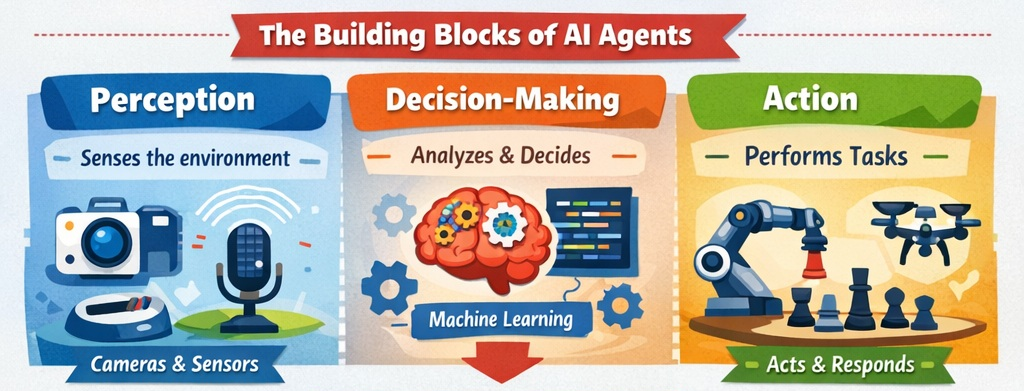
The Building Blocks of AI Agents
AI agents are composed of several key components that make them function effectively. Let’s explore these blocks to better understand what makes an AI agent tick.
1. Perception
The first step for any AI agent is to perceive its environment. This can be done through various means, such as cameras, microphones, or even sensors that gather data. For example, a self-driving car uses cameras and LIDAR to perceive its surroundings, detecting obstacles, road signs, and pedestrians. This perceptual capability is crucial for the agent to understand the context in which it operates.
2. Decision-Making
Once an AI agent has gathered information, it needs to make decisions. Here’s where machine learning comes into play. AI agents analyze the data they’ve collected, identify patterns, and make informed decisions based on that information. For instance, virtual assistants like Siri or Alexa can understand your requests and decide the best way to respond, whether it’s playing music or providing weather updates.
3. Action
The final component is action. After processing information and making decisions, AI agents act on the environment. This could involve sending a message, controlling a device, or moving to a different location in the case of robots. The ability to take action based on analysis is what sets AI agents apart from traditional software programs.
Types of AI Agents
When discussing what is an AI agent, it’s also essential to recognize that there are various types of AI agents, each designed for specific tasks. Let’s look at a few common categories:
1. Reactive Agents
These agents operate on a simple principle: they respond to current stimuli without any memory of past experiences. An example would be a basic chatbot that answers frequently asked questions based solely on keywords it recognizes in your inquiry.
2. Deliberative Agents
Deliberative agents, on the other hand, have a more complex approach. They maintain an internal model of the world and can plan actions based on their goals and the state of the environment. A good example is an AI used in strategic games like chess, where the agent evaluates multiple potential moves before deciding on the best one.
3. Hybrid Agents
Hybrid agents combine the strengths of both reactive and deliberative agents. They can respond quickly to immediate stimuli while also considering long-term strategies. This makes them particularly effective in dynamic environments, such as financial trading platforms or smart home systems.
Real-World Applications of AI Agents
Now that we’ve explored the fundamental aspects of AI agents, let’s discuss where you might encounter these fascinating technologies in everyday life.
1. Virtual Assistants
One of the most common examples of AI agents is virtual assistants like Google Assistant, Siri, and Amazon Alexa. These agents help users perform tasks, answer queries, and control smart devices through voice commands. They are constantly learning from user interactions to improve their responses and capabilities.
2. Autonomous Vehicles
AI agents are at the heart of self-driving cars. These vehicles rely on AI to perceive their surroundings, make decisions in real-time, and navigate safely without human intervention. Companies like Tesla and Waymo are leading the charge in this innovative space, showcasing the potential of AI agents in transportation.
3. Chatbots
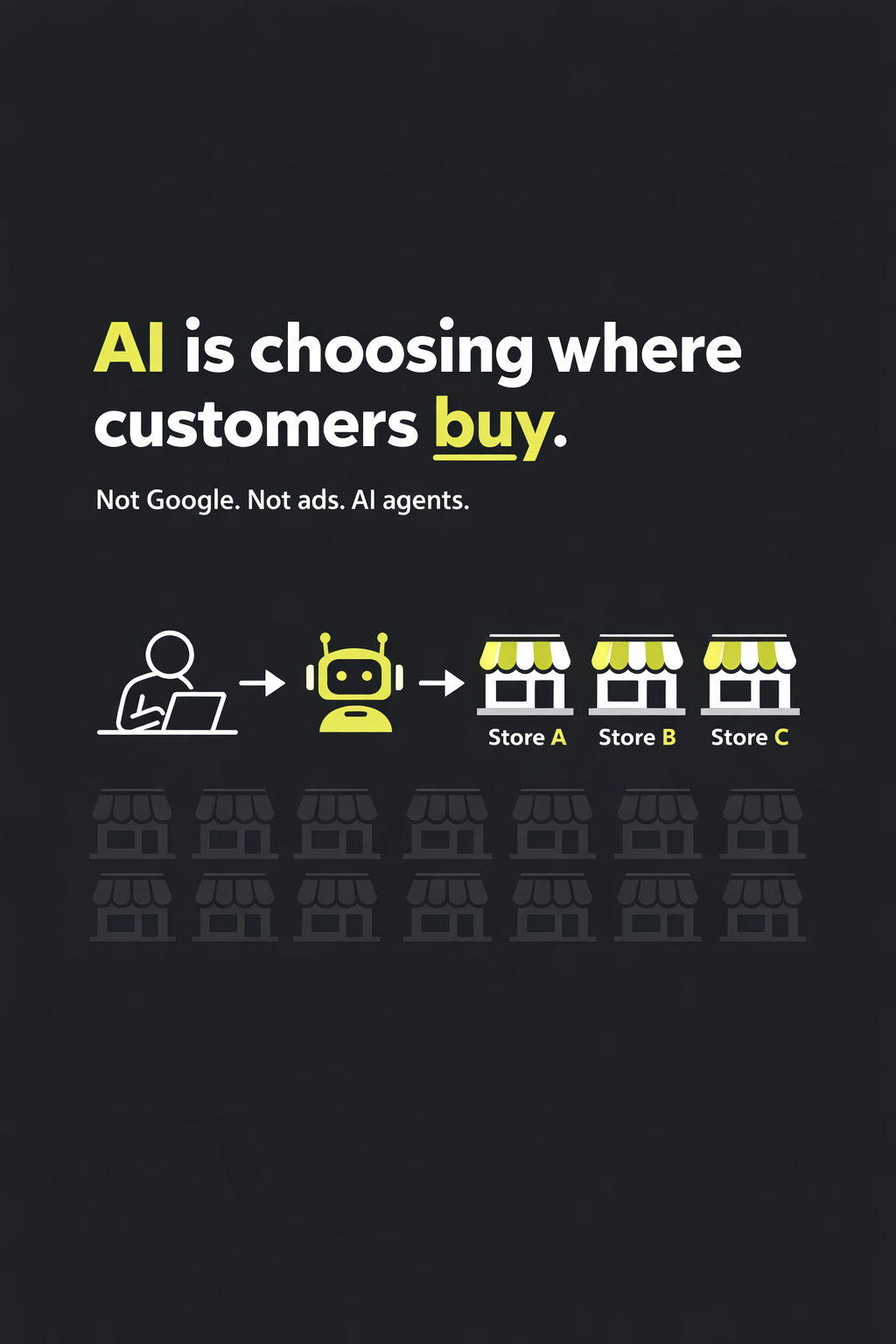
Many businesses use AI agents in the form of chatbots to handle customer inquiries. These agents can provide instant support, answer questions, and even troubleshoot issues, enhancing customer service efficiency. They are particularly useful in e-commerce, where they can assist customers throughout their shopping journey.
The Future of AI Agents
As we continue to explore what is an AI agent, it’s important to highlight the future potential of this technology. With advancements in machine learning, natural language processing, and robotics, we can expect AI agents to become even more capable and integrated into our daily lives. Imagine a future where AI agents not only assist us with tasks but also understand our preferences and adapt to our needs seamlessly.
In conclusion, AI agents are transforming the way we interact with technology, making tasks simpler and more intuitive. Understanding what is an AI agent helps us appreciate the nuances and capabilities of these intelligent systems. As technology advances, the possibilities for AI agents are limitless, paving the way for a smarter, more efficient future. So, the next time you ask a virtual assistant for help or navigate a busy street in an autonomous vehicle, remember the incredible AI agents that make it all possible!