Implementing AI in Your Ecommerce Business: A Step-by-Step Guide
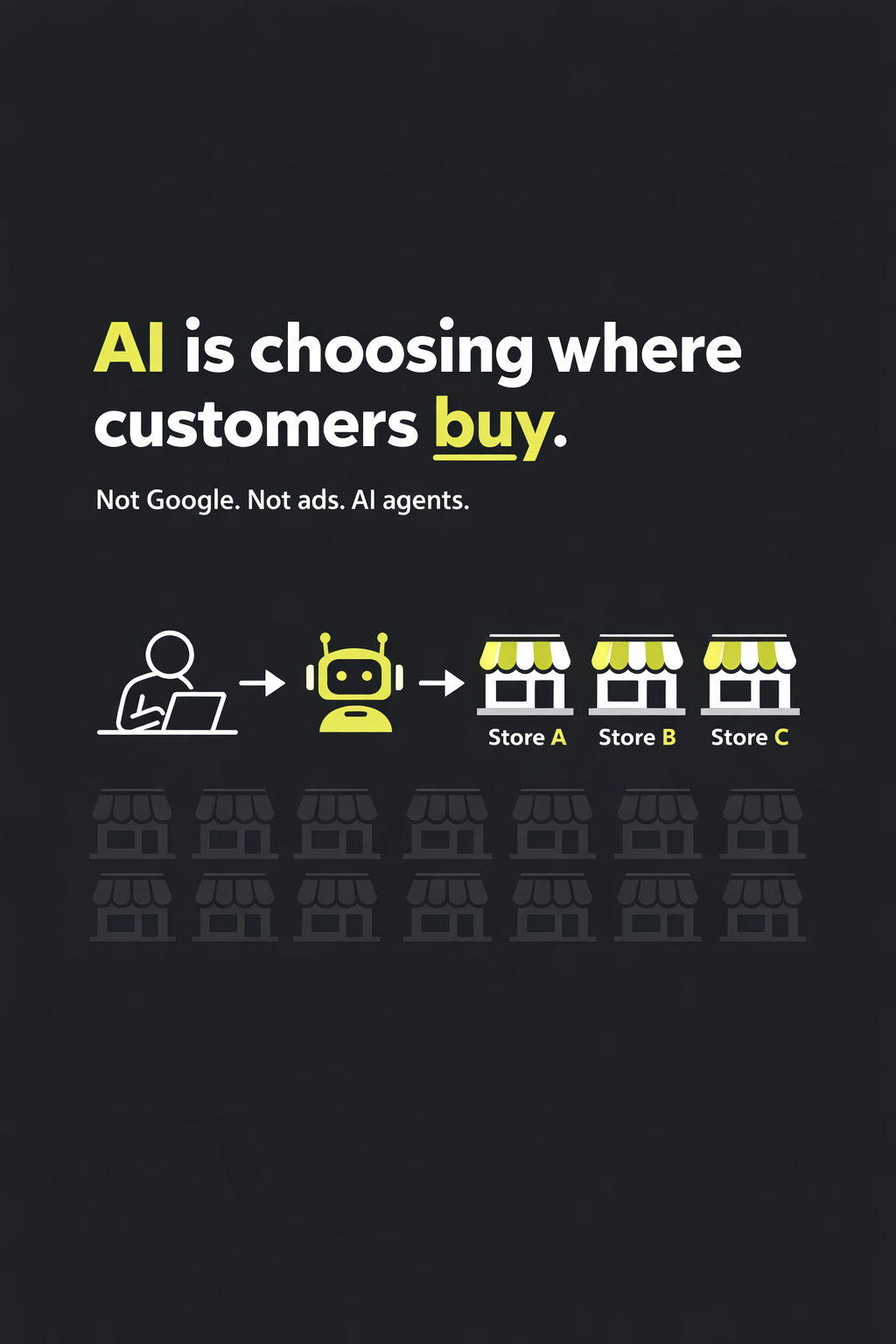
Ahoy, ecommerce adventurers! 🌟 If you’ve been hearing the buzz about AI implementation and wondering how it can supercharge your ecommerce strategy, you’re in the right place. By 2026, AI isn’t just a shiny new toy; it’s a game-changer, driving efficiency and innovation across the board. According to PwC, companies that master AI can unlock transformative business value, seeing cycle times slashed by up to 25% and operational costs reduced by as much as 60%. Sounds tempting, right?
Step 1: Define Your Ecommerce Strategy
Before you dive headfirst into AI integration steps, it’s crucial to have a clear ecommerce strategy. What’s your endgame? Are you aiming to personalize customer experiences, boost sales conversions, or streamline operations? As Ruben from Ringly.io puts it, “Knowing the difference between implementing AI and implementing AI that actually drives business results is what’s going to separate the winners from the rest.”
Step 2: The Integration Steps – Setting the Stage for AI
Now, let’s get our hands dirty with those integration steps. First, gather your data – yup, all of it! This is your treasure trove, and its quality will determine your AI’s success. According to TerraLogic, businesses must start with business outcomes, not technology. Build a robust data pipeline and ensure your AI initiatives align with your strategic goals.
- Data Labeling: Get those data points labeled accurately. It’s like tagging your favorite songs in a playlist! 🎶
- Data Quality: Ensure your data is top-notch. Garbage in, garbage out, as they say!
- Testing Ground: Create a sandbox environment to test your AI models thoroughly before going live.
Step 3: Avoiding Common AI Implementation Pitfalls
Even the best-laid plans can go awry. Avoid the common pitfalls of AI implementation by steering clear of these traps:
- Over-Promising, Under-Delivering: Set realistic goals. AI isn’t a magic wand, but a powerful tool.
- Neglecting Security: Don’t let your guard down. Implement robust security frameworks to protect your data and processes.
- Ignoring User Trust: According to experts, “Even the most advanced AI-powered applications in enterprises fail without user trust.” Build transparency and explainability into your AI systems.
Step 4: Harnessing Innovation for Transformation
AI isn’t just about efficiency; it’s about innovation. Companies like MegaRetail are already using AI to enhance inventory decisions, leading to an 8.8% improvement in on-shelf availability and a whopping $18M+ working capital reduction. That’s not just innovation; that’s a whole new groove!
Furthermore, AI-driven personalization is revolutionizing customer experiences. An ecommerce company leveraging AI for individualized shopping experiences saw conversion rates triple the industry average and customer lifetime value quadruple. Now that’s music to any retailer’s ears! 🎸
Conclusion: Your AI Journey Awaits
In conclusion, AI implementation isn’t just about keeping up with the Joneses; it’s about setting the pace. By strategically integrating AI into your ecommerce strategy, you’re not just optimizing operations; you’re redefining what success looks like. As we look to 2026 and beyond, the question isn’t whether AI will transform your industry—it’s whether you’ll lead that transformation or be left scrambling to catch up. Are you ready to embrace the future of ecommerce with AI? Let’s rock and roll! 🤘